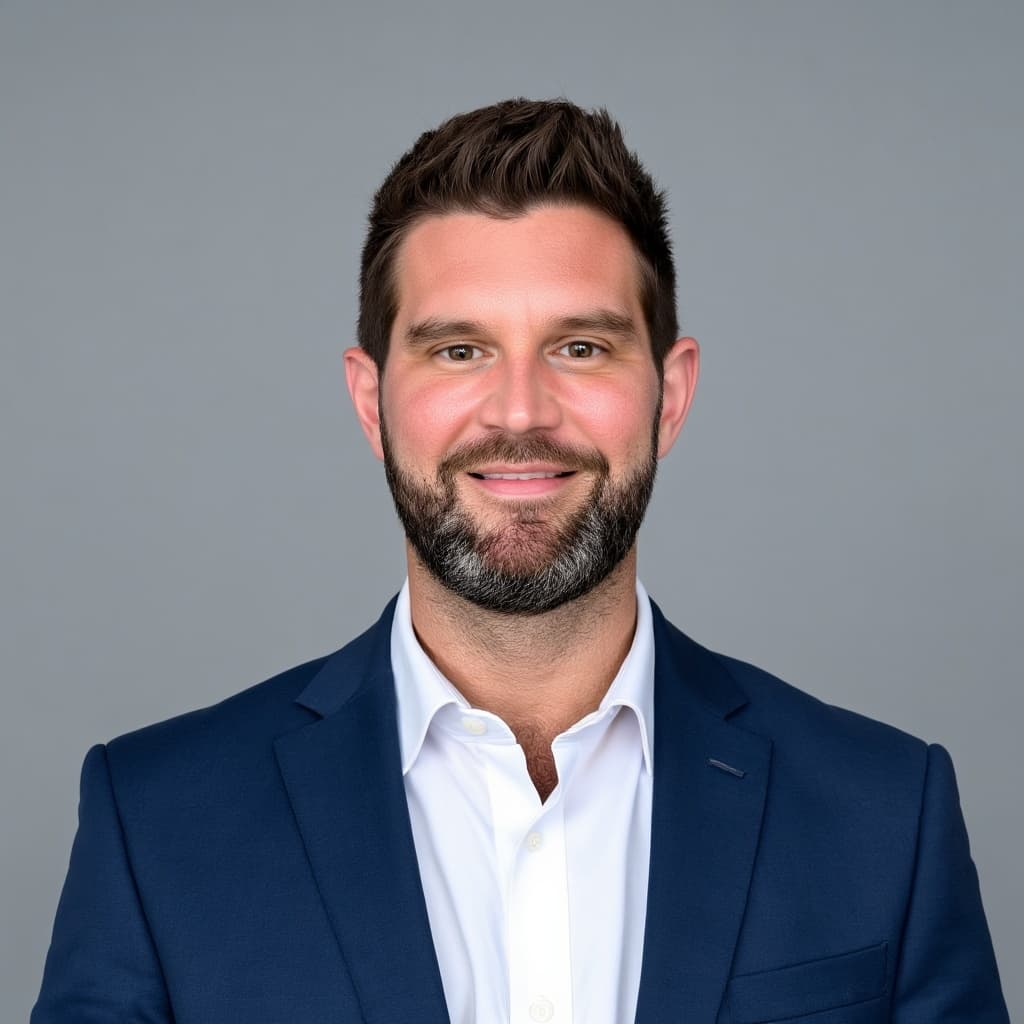
Dr Robert Laidlaw
Sydney-based medical doctor and health-tech entrepreneur. Founder of Claims Doctor; cosmetic injectables clinician. Full bio →
Clinical Governance in the Age of AI
24 January 2026 · Dr Robert Laidlaw4 min read
The governance gap nobody is talking about
In 2024, a major Australian hospital deployed an AI triage tool. It performed well in trials. Then, three months post-launch, it started systematically underscoring chest pain presentations in women over 60. Nobody caught it for six weeks.
The tool was not rogue. The algorithm had not changed. What had changed was the patient mix — a regional transfer agreement brought in a demographic the training data barely represented. The model drifted. The governance framework had no mechanism to detect it.
This is the clinical AI governance problem in miniature: we are building frameworks for the tools we understand, not the tools we are actually deploying.
Why existing frameworks fall short
Clinical governance in medicine has a 30-year head start on digital health. We have credentialing, scope-of-practice definitions, incident reporting, root cause analysis, peer review. It is imperfect, but it is load-bearing infrastructure.
When AI enters the clinical environment, we tend to do one of two things. We either treat it like a medical device — run a validation study, get a regulatory tick, deploy, forget — or we treat it like software — ship, monitor uptime, patch bugs. Neither frame is right.
AI clinical tools are not static. They interact with dynamic human systems. They can be subtly wrong in ways that are invisible to the clinician using them. And unlike a scalpel or a blood pressure cuff, their failure modes are often probabilistic, distributed, and invisible until they aggregate into harm.
A practical framework for 2026
After building Claims Doctor — a telehealth platform that uses AI to assist with occupational injury assessments — I have thought hard about what governance actually needs to look like in practice. Not the aspirational version. The version that works in a lean team, with real constraints.
Here is what I think is non-negotiable:
1. Pre-deployment: Know your edge cases before they become incidents. Every AI tool should have a documented failure mode analysis before it touches a patient. Not a theoretical one — a specific one. What happens when the input data is outside the training distribution? What happens when the user is fatigued and over-relies? Build the answer into the workflow, not the post-incident review.
2. Runtime: Clinician override is architecture, not policy. The human must be able to override the AI, and that override must be the path of least resistance. If your UI makes it easier to accept the AI recommendation than to challenge it, you have built a governance failure into the product. I have seen this repeatedly in decision-support tools — the accept button is big and green, the override option is buried in a dropdown.
3. Monitoring: Performance degradation is a clinical risk. AI models drift. Data distributions shift. The monitoring regime needs to be clinical in nature — not just uptime and API errors, but outcome metrics. Are recommendations changing in a way that correlates with patient outcomes? This requires marrying your technical monitoring to your clinical audit cycle. Most teams do not do this. It is hard, and it is essential.
4. Accountability: Someone has to own it. In Australian healthcare, the responsible clinician framework is clear — the treating doctor carries clinical responsibility. AI does not change this, but it does complicate it. The governance framework needs to name who is responsible for the AI tool's performance, who reviews the monitoring data, and who has authority to pull the tool offline. If the answer is the vendor, you have outsourced your clinical governance. That is not acceptable.
The harder conversation
None of this is technically difficult. What is difficult is the cultural change required to treat AI governance as a core clinical responsibility rather than an IT problem with a compliance layer on top.
The clinicians building AI tools — and I am one of them — need to lead this. We understand both the clinical stakes and the technical landscape. We are the right people to build governance frameworks that are rigorous without being so bureaucratic that innovators route around them.
The alternative is what we already see emerging: governance frameworks written by committees, designed for the last generation of tools, quietly ignored by the teams building the next one. We can do better than that.
Next step
Read about Claims Doctor’s clinical model →
FAQ
- What is clinical governance for AI in healthcare?
- It is the set of roles, monitoring loops, and accountability structures that keep AI-assisted tools safe as data and users change. Unlike static devices, AI systems can drift; governance must therefore include failure-mode analysis before deployment, easy clinician override, outcome-linked monitoring, and a named owner who can pause a tool.
- Why does model drift matter for hospital AI?
- When the patient mix shifts, an algorithm trained on older data can silently underperform for a subgroup. Drift is often invisible in routine dashboards focused on uptime. Governance should connect technical metrics to clinical audit cycles so deterioration is caught early, not months later through harm aggregates.
- Who is accountable when AI assists a consultation?
- In Australian practice the treating clinician remains responsible for clinical decisions. Governance should name who monitors tool performance, who reviews incidents, and who can withdraw the tool. Outsourcing those decisions entirely to a vendor creates a governance gap that regulators and patients will eventually challenge.
Related posts
- Welcome to My Blog
My first post — why this blog exists, my promise on AI transparency, and what I'm building across healthcare and technology.
- The Doctor-Entrepreneur Paradox
Medicine trains you to be risk-averse. Entrepreneurship demands the opposite. How to reconcile both without losing your mind.
- Why I Built Claims Doctor
Injured workers shouldn't wait weeks for a medical certificate. The story behind same-day WorkCover telehealth in NSW.