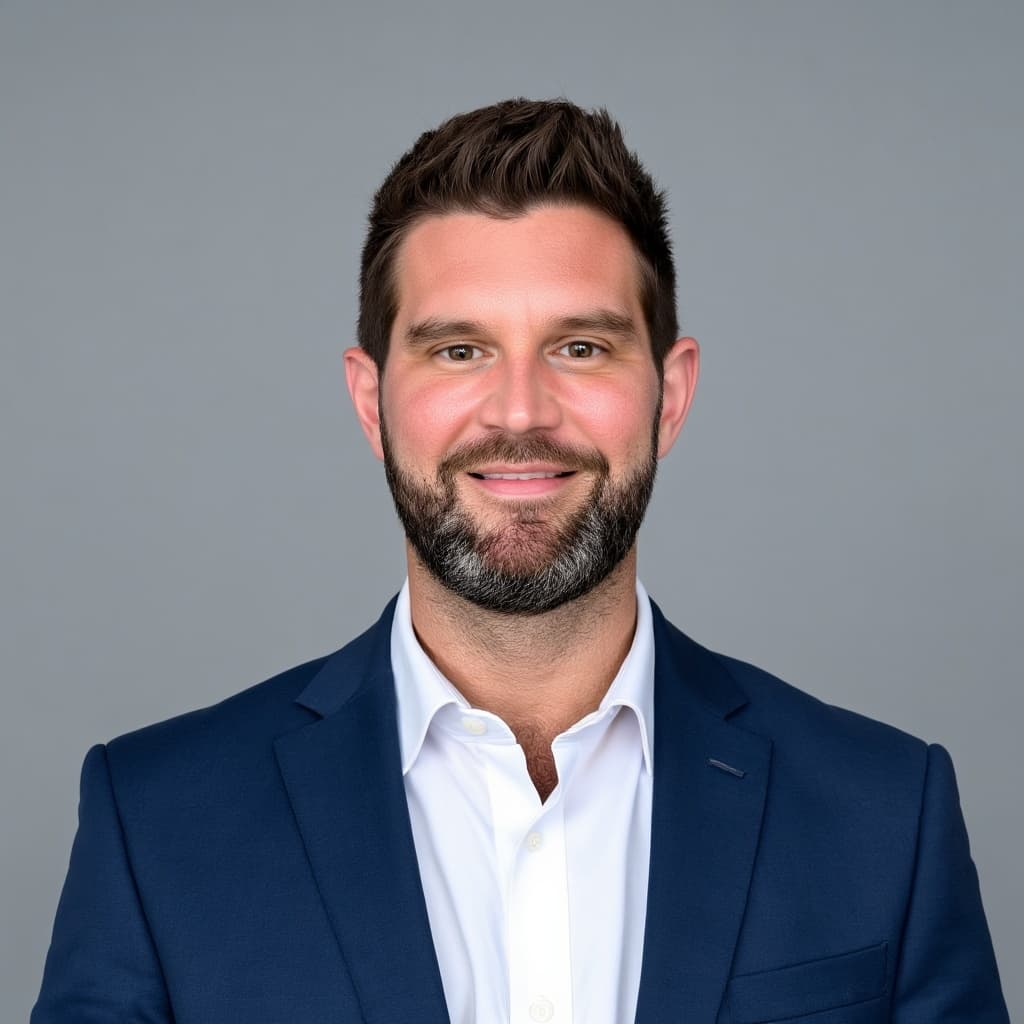
Dr Robert Laidlaw
Sydney-based medical doctor and health-tech entrepreneur. Founder of Claims Doctor; cosmetic injectables clinician. Full bio →
Why I Built Claims Doctor
18 February 2026 · Dr Robert Laidlaw3 min read
The waiting room problem
Early in my emergency medicine career, I saw a construction worker come in with a hand injury — a crush from a dropped beam. Clean wound, no fracture, straightforward. He needed a WorkCover medical certificate to get his compensation process started. Simple.
Except his GP had a three-week wait. The nearest bulk-billing practice was not taking new patients. He lived two hours from Sydney. He was a casual worker, so no sick leave. Every day without that certificate was a day his family did not eat.
He waited 19 days.
I have never forgotten that. Not because it was unusual — it was completely ordinary. It was just the system working as designed, which is to say, not working at all.
The idea
WorkCover and CTP certificates are not complex clinical documents. For the overwhelming majority of presentations — soft tissue injuries, fractures, lacerations, occupational exposures — a competent doctor can assess, document, and certify within 20 minutes. The clinical barrier is low. The access barrier is enormous.
Telehealth changed the access equation. During COVID, we proved conclusively that the vast majority of general practice consultations can be delivered remotely without compromising safety or quality. The technology works. The regulatory framework exists. The patient population is comfortable with video calls.
So why were injured workers still waiting three weeks for a certificate?
Because nobody had built a service specifically for them.
What Claims Doctor actually is
Claims Doctor is a same-day telehealth service for WorkCover and CTP certificates in NSW. A worker gets injured. They book online — no referral, no wait list. They see an Australian-registered doctor via video within hours. They receive their certificate the same day.
That is the whole pitch. It is deliberately simple.
The back end is more interesting. We use AI to assist with documentation — pulling structured data from the consultation into the certificate format, flagging fields that need completion, checking consistency. The doctor reviews and signs. It is AI as a workflow tool, not AI as a decision-maker. The clinical judgment stays with the clinician.
We also built directly on the Halaxy practice management system rather than rolling our own, which let us move faster and inherit a compliance-grade clinical record system from day one. Being frugal about infrastructure choices is not just a cost decision — it is a quality decision when you are starting out.
What I learned building it
A few things surprised me.
The regulatory environment is more navigable than I expected. AHPRA, Medicare, and the workers compensation schemes all have clear frameworks for telehealth. There are edge cases and grey areas, but the core service — remote medical assessment and certification — is well-supported. I had assumed we would spend months in regulatory limbo. We did not.
Distribution is harder than the product. Getting the word out to injured workers at the moment they need us — not before, not after — is genuinely difficult. We are working on partnerships with employers, unions, and allied health providers. This is a relationship problem, not a technology problem.
Doctors are underrepresented in health-tech founding teams, and it shows in the products. Too many digital health tools are built by people who understand software but not the clinical workflow they are disrupting. Building Claims Doctor as a clinician gave me an unfair advantage in product decisions. I knew exactly which corners could be cut and which absolutely could not.
What is next
NSW is live. We have seen our first patients. The feedback has been exactly what I hoped — relief, mostly. Relief that it was simple, that it was fast, that someone had finally made this easy.
We are looking at expanding to other states as the regulatory groundwork permits, and at adjacent use cases within the occupational health space. There is a lot of low-hanging fruit in a system that has historically made it hard for injured workers to access basic clinical services.
If you are an employer, union rep, or allied health provider who thinks your clients would benefit — reach out. We are still early, and the right partnerships will shape what this becomes.
Next step
Book a WorkCover consult at Claims Doctor →
FAQ
- What problem does Claims Doctor address?
- Many injured workers face long waits for a GP appointment when they primarily need a timely WorkCover or CTP medical certificate to start statutory processes. Delays can worsen financial stress and recovery. Claims Doctor uses telehealth to provide same-day access where clinically appropriate, reducing unnecessary friction in the compensation pathway.
- Is telehealth appropriate for these certificates?
- For many straightforward occupational presentations, telehealth is consistent with established frameworks when history, examination where required, and documentation meet clinical standards. Claims Doctor is designed so doctors retain judgment; software assists workflow rather than replacing clinical assessment.
- Does Claims Doctor use AI?
- Yes, as a documentation and consistency aid under doctor review—not autonomous diagnosis. This mirrors how many safe clinical systems use automation: reduce administrative load, surface missing fields, and keep the signing clinician in control of the final record.
Related posts
- Welcome to My Blog
My first post — why this blog exists, my promise on AI transparency, and what I'm building across healthcare and technology.
- The Doctor-Entrepreneur Paradox
Medicine trains you to be risk-averse. Entrepreneurship demands the opposite. How to reconcile both without losing your mind.
- Clinical Governance in the Age of AI
AI is reshaping healthcare delivery, but who's governing the governance? Thoughts on building safety frameworks that actually work.